M
Mark Palmer
Guest
- Thread Author
- #1
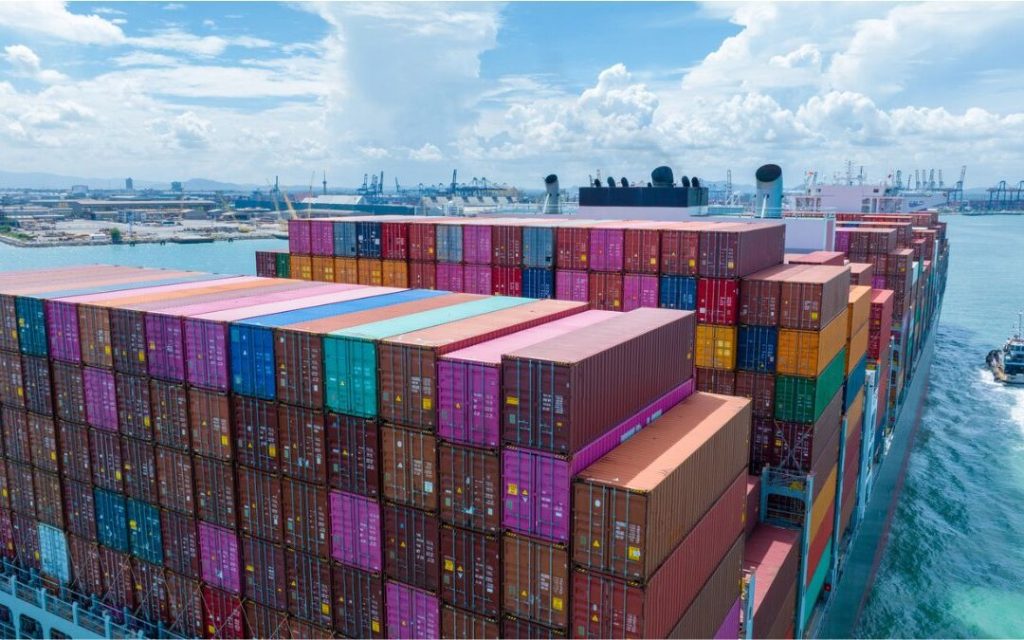
China's economy grew 4.5% in the third quarter of 2026, beating expectations as strong exports supported industrial production despite weak consumer spending and a prolonged property downturn.
Figures released by the National Bureau of Statistics on Monday showed that gross domestic product increased from 4.3% in the previous quarter, exceeding economists' forecast of 4.4%. Output expanded 1.2% compared with the preceding three months, while growth for the first nine months reached 4.6%.
The results put Beijing on course to meet its annual economic growth target of 4.5% to 5%, potentially reducing pressure for major stimulus measures. However, the improvement conceals a widening divide between China's export-led manufacturing sector and its struggling domestic economy.
Exports increased 16.4% in yuan terms during the first nine months of the year, supported by international demand for electrical equipment, advanced manufacturing products and technology associated with artificial intelligence. China's merchandise trade surplus reached approximately $938 billion over the same period, highlighting the economy's growing dependence on overseas customers.
The strength of international sales has helped manufacturers maintain production despite subdued demand at home. Industrial output rose 5.5% in September compared with a year earlier, with technology-intensive industries benefiting from investment in semiconductors, computing infrastructure and other advanced equipment.
Domestic consumption remains considerably weaker. Retail sales increased just 1.1% in September, reflecting continued caution among households affected by the property downturn and uncertainty over future income. Although the monthly figure improved from August, it provided little evidence of a sustained recovery in consumer confidence.
Investment figures reinforce those concerns. Fixed-asset investment declined 7.2% during January to September, while investment in property development fell 20.6%. Private investment contracted 10.4%, suggesting businesses remain reluctant to commit capital despite stronger headline economic growth.
The property market remains a significant obstacle. Falling home values have weakened household wealth and encouraged precautionary saving, limiting the effectiveness of policies designed to stimulate spending. Developers also continue to face financial pressure as demand for new housing remains subdued.
For companies operating in China, the uneven recovery creates contrasting financial prospects. Export-oriented manufacturers are benefiting from international demand, while retailers, property developers and businesses dependent on domestic consumers face slower revenue growth and greater pressure on profitability.
China's reliance on exports also creates risks beyond its borders. Stronger shipments of manufactured goods are increasing competition for European and American producers, while the expanding trade surplus is attracting scrutiny from governments concerned about industrial overcapacity and market access.
Beijing has introduced targeted support for selected industries, infrastructure projects and household consumption. However, policymakers must balance the benefits of additional stimulus against weak private-sector confidence, financial pressures on local governments and concerns about allocating more credit to already indebted sectors.
For financial markets, the latest figures offer reassurance that China's economy remains capable of meeting its official growth target. Yet the underlying weakness in consumer spending and investment suggests that the recovery is not being driven by a broad improvement in domestic demand.
A slowdown in global technology spending, stronger trade restrictions or weaker export orders could therefore expose the economy's dependence on overseas markets. More sustainable growth would require stronger household confidence, a stabilisation of property investment and greater willingness among businesses to invest.
China's third-quarter acceleration provides short-term relief for policymakers, but the longer-term financial challenge remains unchanged: turning export-led expansion into economic growth supported by domestic consumers and private investment.