
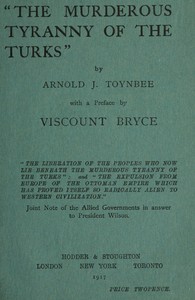
"The Murderous Tyranny of the Turks" by Arnold Toynbee
Let's be clear from the start: this is not an easy book. It's a direct, forceful, and often brutal account. Arnold Toynbee, a brilliant young historian, was tasked by the British government in 1916 with compiling a report on the treatment of Armenian citizens within the Ottoman Empire. What he produced was this book—a shocking catalog of atrocities drawn from diplomatic dispatches, survivor testimonies, and official records.
The Story
There isn't a traditional narrative with a main character. Instead, Toynbee lays out the evidence. He describes the systematic nature of the persecution: the disarmament of Armenian soldiers, the arrest of community leaders, and the forced deportations of men, women, and children into the Syrian desert. He details the massacres, the death marches, and the calculated destruction of a people. The 'story' is the methodical unveiling of a state-sponsored campaign, presented with the cold, factual urgency of a lawyer making his case to the jury of world opinion.
Why You Should Read It
You should read it because it removes the safety of hindsight. This wasn't written decades later. Toynbee is documenting a genocide while the smoke is still in the air. His anger and moral outrage pulse through the pages. It forces you to sit with the uncomfortable reality that the world knew. Governments had the reports. Newspapers ran stories. Yet, the slaughter continued. Reading it today, it's impossible not to draw parallels to how we respond (or fail to respond) to modern crises. It’s a masterclass in how to use historical evidence to build an undeniable argument.
Final Verdict
This book is for readers who want to engage with history at its most difficult and consequential. It's perfect for anyone interested in human rights, the anatomy of genocide, or World War I history beyond the trenches of Europe. It's also crucial for understanding the roots of modern Middle Eastern politics. Don't pick it up for a light read, but do pick it up if you believe that facing the darkest parts of our past is necessary. It's a challenging, vital, and unforgettable piece of historical testimony.
This title is part of the public domain archive. Preserving history for future generations.




Joseph Allen
4 months agoMy professor recommended this, and I see why.